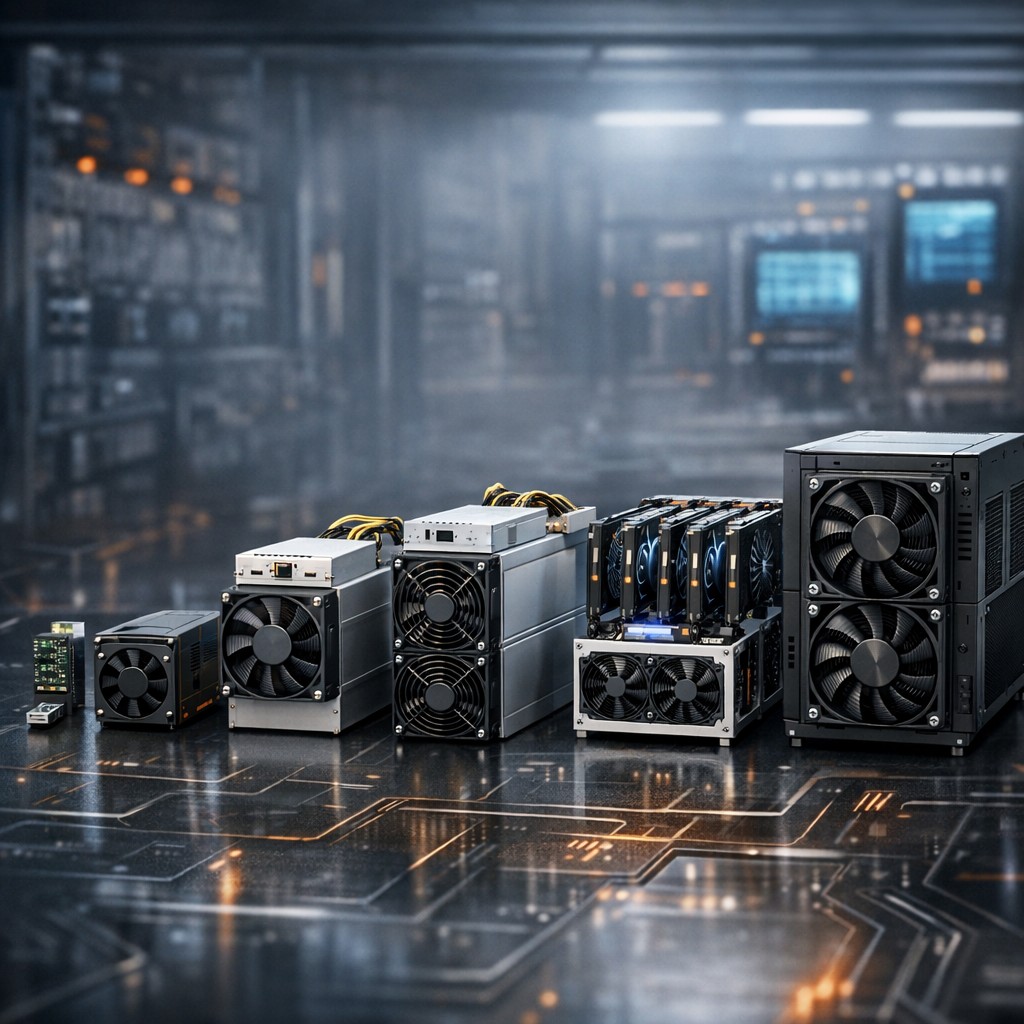
The right hardware makes or breaks your mining operation. Learn what matters when choosing ASIC miners.
Bitcoin mining hardware has evolved dramatically since the early days. The first miners used regular CPUs and later moved to GPUs. Today, only purpose-built ASIC miners are competitive.
ASIC stands for Application-Specific Integrated Circuit. These chips are designed exclusively for Bitcoin mining. They outperform general-purpose hardware by a factor of thousands.
Your hardware investment is typically the largest upfront cost. Choosing the wrong model can mean the difference between profit and loss over the lifetime of the machine.
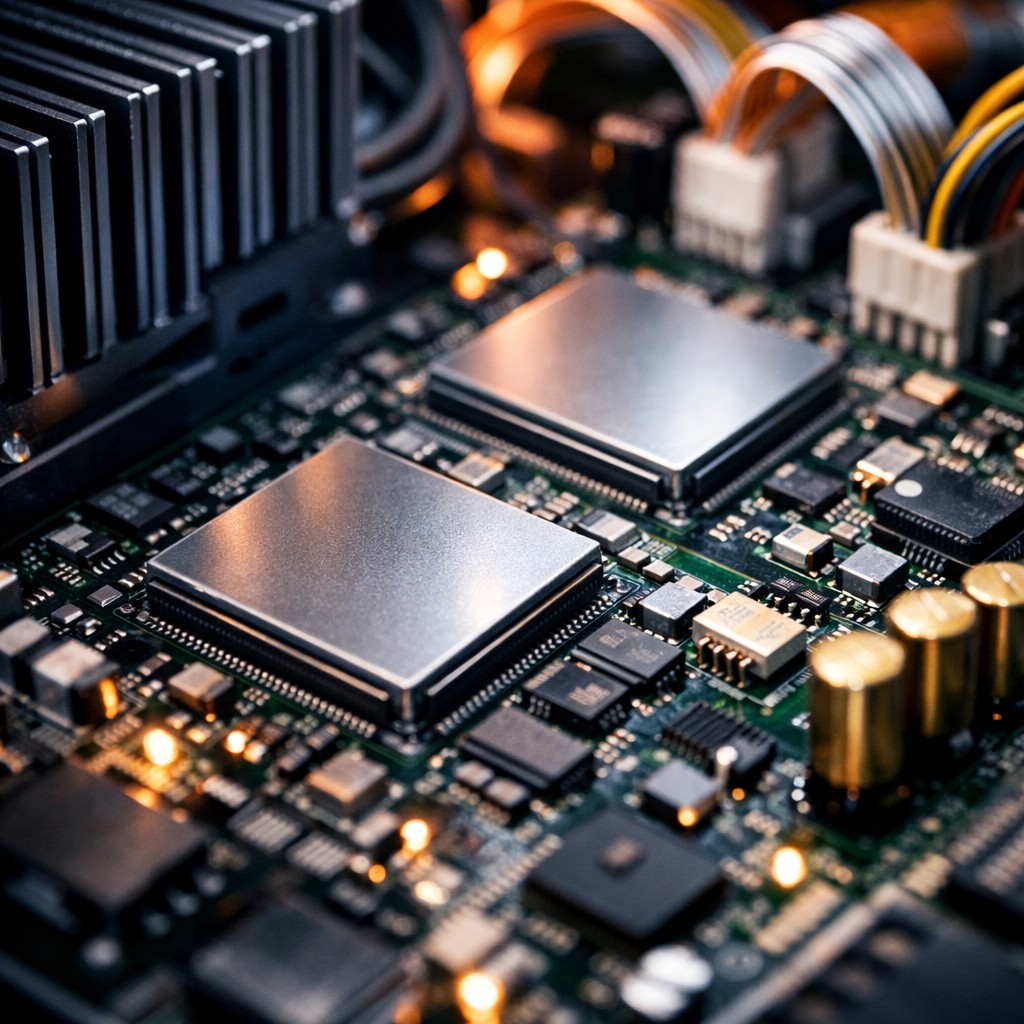
Three numbers define every mining device. The hash rate tells you how fast it mines. The power consumption shows how much electricity it needs. The price determines your break-even point.
The most important derived metric is efficiency. It measures how many hashes you get per watt of electricity consumed. A more efficient miner costs less to operate and generates higher profits over time.
Higher is better. Measures trillions of calculations per second.
Lower is better. Directly impacts your electricity costs.
The ratio of energy to hash rate. The most critical comparison metric.
Determines your initial investment and break-even timeline.
With dozens of ASIC models on the market, comparing them manually takes considerable effort. Manufacturers like Bitmain, MicroBT and Canaan release new models regularly. Each generation brings improvements in efficiency.
A dedicated comparison tool saves hours of research and helps you make data-driven decisions. MinerCompare.com lets you compare ASIC mining hardware side by side with detailed specs and profitability estimates for each model.
New miners come with manufacturer warranties and the latest chip technology. They offer the best efficiency but carry a premium price tag. Used miners cost significantly less but may have higher power consumption.
When buying used equipment, check the actual hash rate against the advertised specifications. Worn cooling fans and dust buildup can reduce performance noticeably. A reliable seller should allow testing before purchase.
Running a miner at home is simple but comes with challenges. Noise levels exceed 70 decibels on most ASIC units. Heat output can raise room temperatures significantly during summer months.
Professional hosting services place your hardware in optimized data centers. They offer lower electricity rates and proper cooling infrastructure. The monthly hosting fee is often offset by the savings on your power bill at home.
Use a specialized tool to find the most profitable ASIC miner for your setup and budget.
Compare Miners at MinerCompare.com →