Knowledge Base
The Basics of Bitcoin Mining
Mining is the process that secures the Bitcoin network and puts new coins into circulation.
Hash Rate and Difficulty
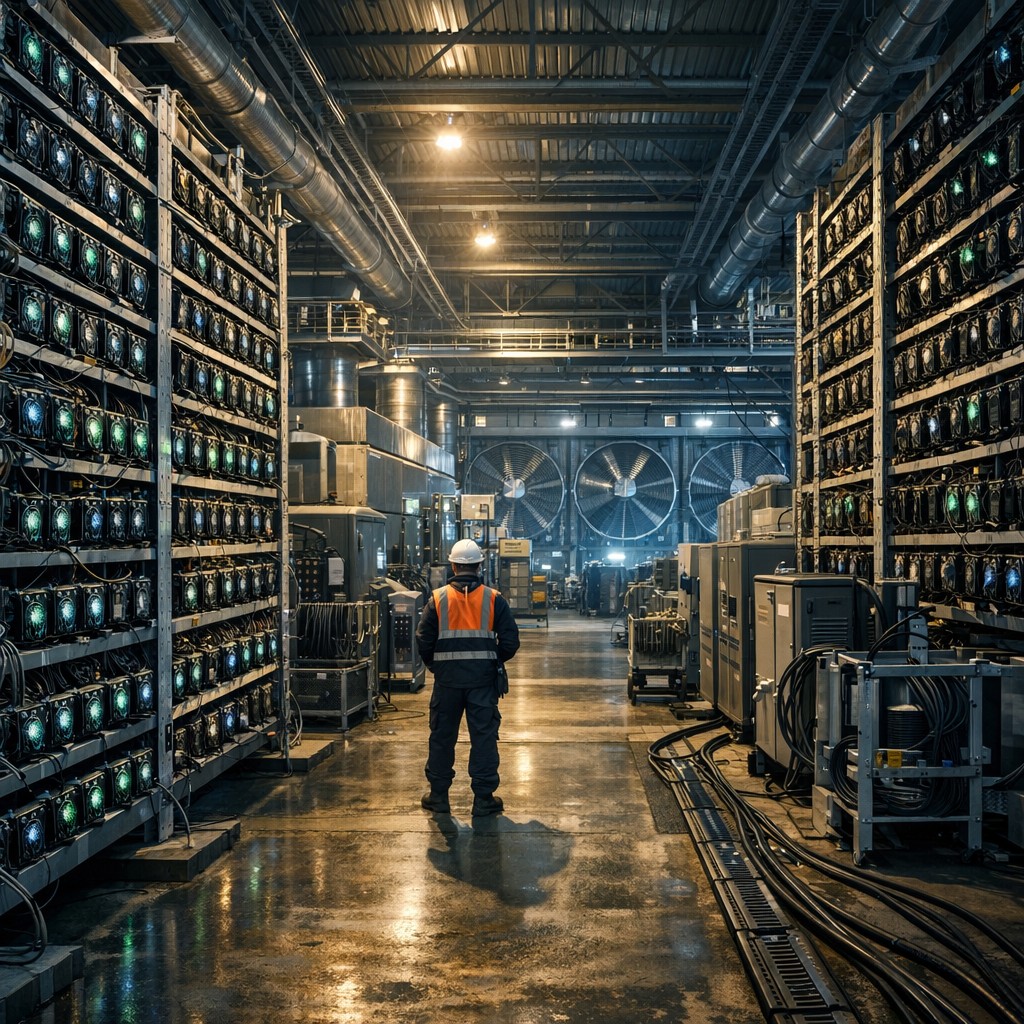
The hash rate measures how many calculations a miner can perform per second. Higher hash rates mean more chances of solving the puzzle first. Modern ASIC miners achieve trillions of hashes per second.
The network difficulty adjusts based on the total hash rate of all miners combined. When more miners join, the difficulty increases. When miners leave, it decreases. This mechanism keeps block production steady at roughly one block every ten minutes.
Mining Rewards and Halving
Miners receive a block reward for each block they successfully add to the chain. This reward started at 50 BTC in 2009. Every four years, the reward gets cut in half in an event called the halving.
The most recent halving reduced the reward to 3.125 BTC per block. This controlled supply reduction is programmed into the Bitcoin protocol. It ensures that the total supply will never exceed 21 million coins.
Besides the block reward, miners also collect transaction fees from all transactions included in their block. As block rewards decrease over time, transaction fees will become the primary incentive for miners.
Mining Pools
Solo mining has become nearly impossible for individual miners due to the enormous competition. Mining pools allow thousands of miners to combine their hash power and share rewards proportionally.
When a pool finds a block, the reward gets distributed among all participants based on their contributed hash rate. This provides miners with smaller but more regular payouts instead of rare large ones.
Most major pools operate globally and support multiple cryptocurrencies. Joining a pool is straightforward and usually only requires pointing your mining hardware to the pool's server address.